
Water in your house at 2 a.m. is a sinking feeling. DryMax Water Restoration provides water damage restoration for homeowners across North Jersey, from a burst pipe in a finished basement to a washing machine hose that let go while you were at work. We have served New Jersey families since 2018, and our phone is answered 24/7/365. When you call, we send a crew as soon as you call and start pulling water out of your home.
This page walks you through what actually happens on a water damage restoration job, from that first phone call to the final dry reading. It also covers what to do while you wait, how we document everything for your insurance adjuster, and when a leak becomes a mold concern. If you are standing in water right now, skip the reading and call (973) 992-4400.
Common causes of water damage in North Jersey homes
Most of the water damage restoration calls we get come from a handful of sources. The housing stock here plays a big part. Older colonials in towns like Montclair, Chatham and Madison have plaster walls, original hardwood and supply lines that have been patched over decades. Newer homes in Franklin Lakes or Saddle River tend to have large finished basements full of carpet, drywall and furniture that soak up water fast.
Burst and frozen pipes
January and February cold snaps freeze pipes in exterior walls, crawl spaces and unheated garages. The pipe often splits while frozen and only starts spraying once it thaws. By the time someone notices, water may have run for hours inside a wall cavity or through a ceiling below.
Failed sump pumps
Many North Jersey basements depend on a sump pump to keep groundwater out. Pumps fail from age, a stuck float switch, a power outage during a storm, or simply more water than they can handle. A failed pump can put several inches of water across a finished basement in an afternoon.
Water heater and washing machine leaks
A tank water heater that rusts through can release dozens of gallons, and it often sits in a basement utility room right next to finished space. Washing machine supply hoses are another frequent culprit. A burst rubber hose can push water out at full house pressure until someone shuts the valve.
Ice dams and storm flooding
Ice dams form when snow melts on a warm roof and refreezes at the cold eaves. Water backs up under the shingles and drips into attic insulation, ceilings and exterior walls. Heavy rain and nor’easters bring a different problem: surface water and rising groundwater that come in through foundation cracks, window wells and basement doors.
We do not repair pipes, roofs or appliances. You will want a plumber or roofer to fix the source. We handle the extraction, drying and documentation, and our remodeling crew can rebuild what the water ruined.
Why speed matters
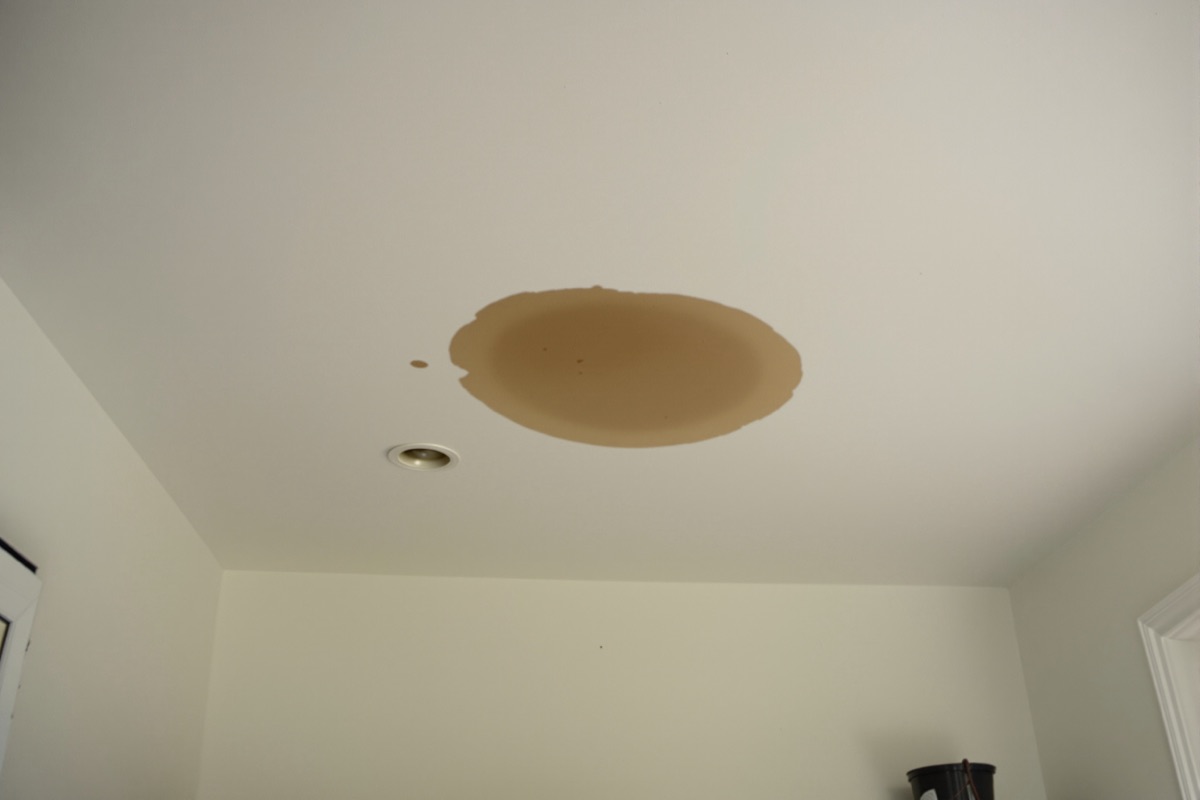
Water keeps moving after the leak stops. Drywall acts like a wick and pulls moisture upward, often a foot or more above the visible waterline. Insulation behind the wall holds water against the studs. Carpet pad soaks up water like a sponge and spreads it outward under the carpet where you cannot see it.
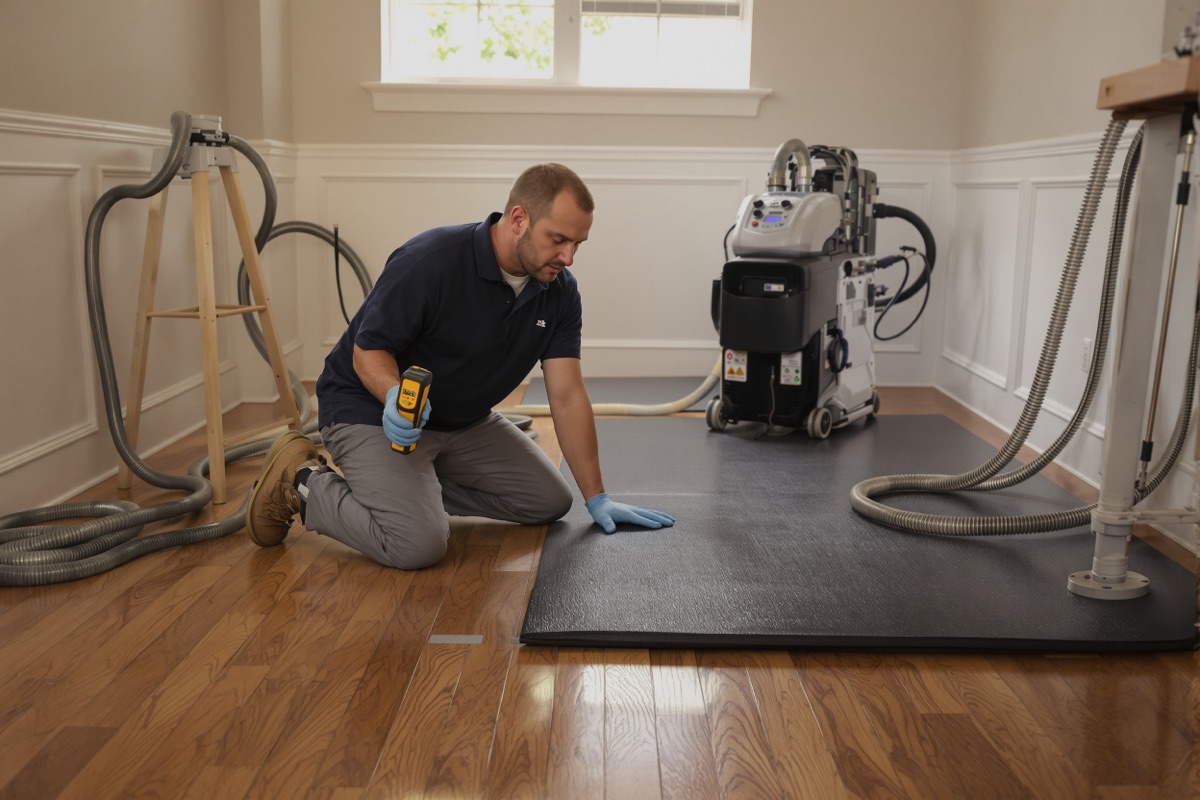
Hardwood floors react within a day or two. As the boards absorb water from below, the edges swell and the floor starts to cup, with each board rising at its edges. Left alone long enough, boards can crown or buckle. Quick drying gives wood the best chance of settling back down.
Then there is mold. The EPA’s guide to mold and moisture advises drying water-damaged areas and items within 24 to 48 hours to prevent mold growth. That window is the reason we answer the phone every hour of every day. The faster the water comes out and the drying starts, the smaller the water damage restoration job usually is.
Our water damage restoration process, step by step
Every water damage restoration job is different, and the details change with the source and the materials involved. The overall path stays the same, though. Here is what you can expect from the moment you pick up the phone.
1. The call
When you call (973) 992-4400, a real person answers, any time of day. We will ask a few quick questions: where the water is coming from, whether it has stopped, which rooms are affected and whether the power is safe. If water is still flowing, we will talk you through finding the main shutoff. Then we send a crew as soon as you call.
2. Inspection and safety check
When the crew arrives, we walk the affected area with you before touching anything. We look for electrical hazards, sagging ceilings and slippery floors. We also figure out what kind of water we are dealing with. Clean water from a supply line is handled differently from groundwater or a backup that may carry contamination.
3. Water extraction
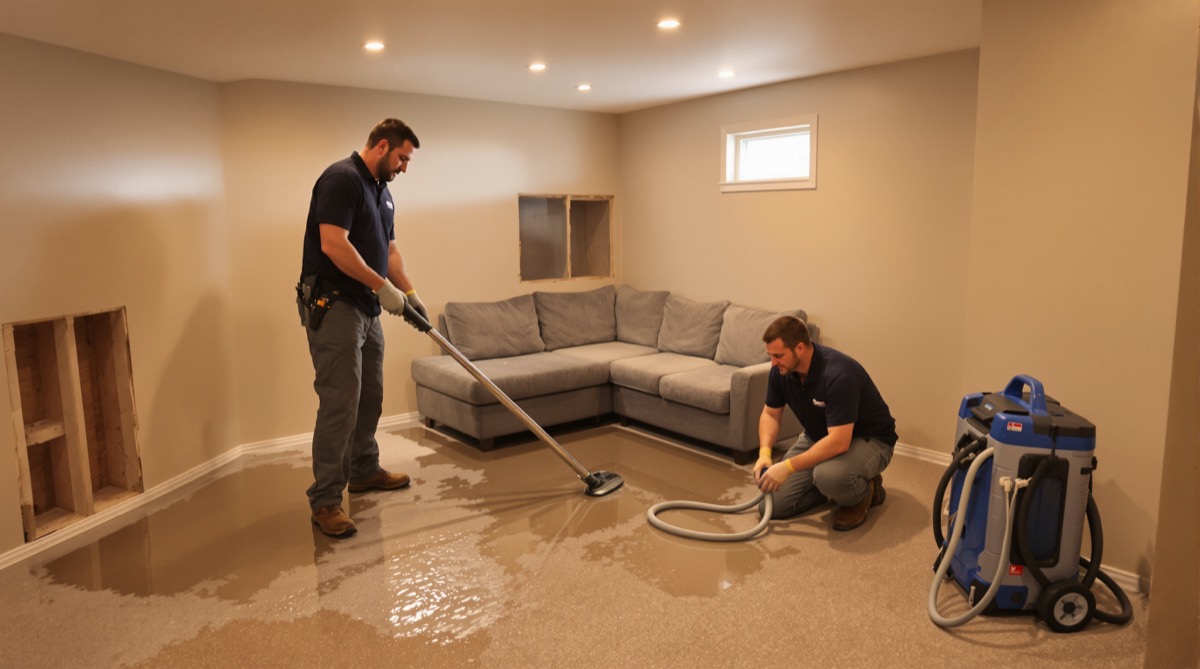
Standing water comes out first, because nothing dries while it is still there. Depending on the depth and the space, we use truck-mounted extractors, portable extractors or submersible pumps. On carpet, extraction pulls a large share of the water out of the fibers and pad. This step alone makes a huge difference in how long drying takes.
4. Moisture mapping
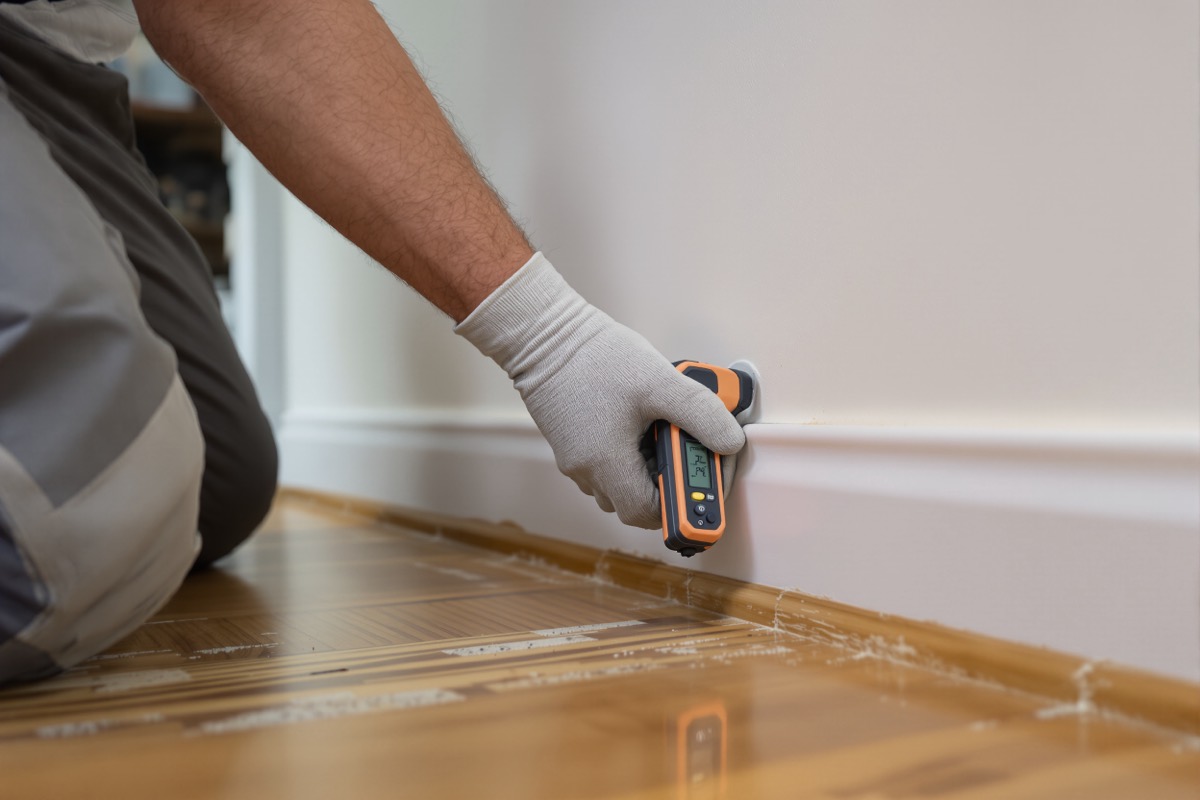
Water hides. It runs under baseboards, into wall cavities and beneath flooring. We use pin and pinless moisture meters to take readings across floors and walls, and thermal imaging cameras to spot cool, damp areas behind surfaces. The result is a moisture map of the affected area, so we know exactly where to aim the drying equipment and where wet materials may need to come out.
5. Removing what cannot be saved
Some materials dry well in place. Others hold water and contamination too long to save. Saturated carpet pad is usually removed. Drywall that has wicked water may need a flood cut, where the lower section is cut out so the wall cavity can breathe and dry. We explain what needs to go and why before we remove anything, and we photograph it for your claim.
6. Structural drying with air movers and dehumidifiers
With the standing water gone, the real drying begins. Air movers push air across wet surfaces to speed evaporation. Commercial dehumidifiers pull that moisture out of the air so it does not settle right back into the walls and floors. We position the equipment based on the moisture map and set up the room as a controlled drying space.
The equipment is loud and it runs around the clock. Most homeowners find that a fair trade for getting their house back. We will tell you which outlets we are using and how to work around the setup safely.
7. Daily readings and adjustments
Drying is measured, never guessed. A technician comes back each day to take new moisture readings at the same points on the map. We compare them against dry reference readings from unaffected parts of your home. If an area is lagging, we move equipment or add more. When readings reach the dry standard, the equipment comes out.
How long does it take? Many residential jobs dry in roughly three to five days, though it depends on the materials, how long the water sat and the weather. Dense hardwood and plaster take longer than drywall. We would rather give you honest readings each day than promise a date we cannot control.
8. Final walkthrough
Before we leave, we walk the space with you, share the final readings and hand over the documentation. If materials were removed, you will know exactly what was taken out and what condition the structure is in, so the rebuild can start from there. We can handle that too: DryMax does remodeling, so the same team can put back the drywall, flooring and trim, or you can hire whoever you like.
Documentation for your insurance claim
An insurance claim goes more smoothly when the adjuster can see what happened. We document every job from the start. That includes photos of the source and the damage, moisture readings from the first visit through the last, and daily drying logs that show the equipment used and the progress made.
You get copies of all of it to share with your adjuster. We do not work for or on behalf of any insurance company, and we cannot tell you what your policy covers. Coverage depends on your specific policy and the cause of the loss. What we can do is give you clear records, which helps both you and the adjuster understand the scope of the water damage restoration work.
A few tips that help on your end:
- Take your own photos and video before anything is moved, if it is safe to do so.
- Call your insurance company early to report the loss and get a claim number.
- Keep receipts for anything you spend because of the water, like hotel nights or replacement essentials.
- Do not throw away damaged items until the adjuster has seen them or approved disposal.

When water damage turns into a mold problem
Mold needs moisture, a food source and time. Drywall paper, wood, carpet backing and cardboard boxes all give it food. The moisture comes from the leak. Time is the one factor you control, which is why prompt drying matters so much.
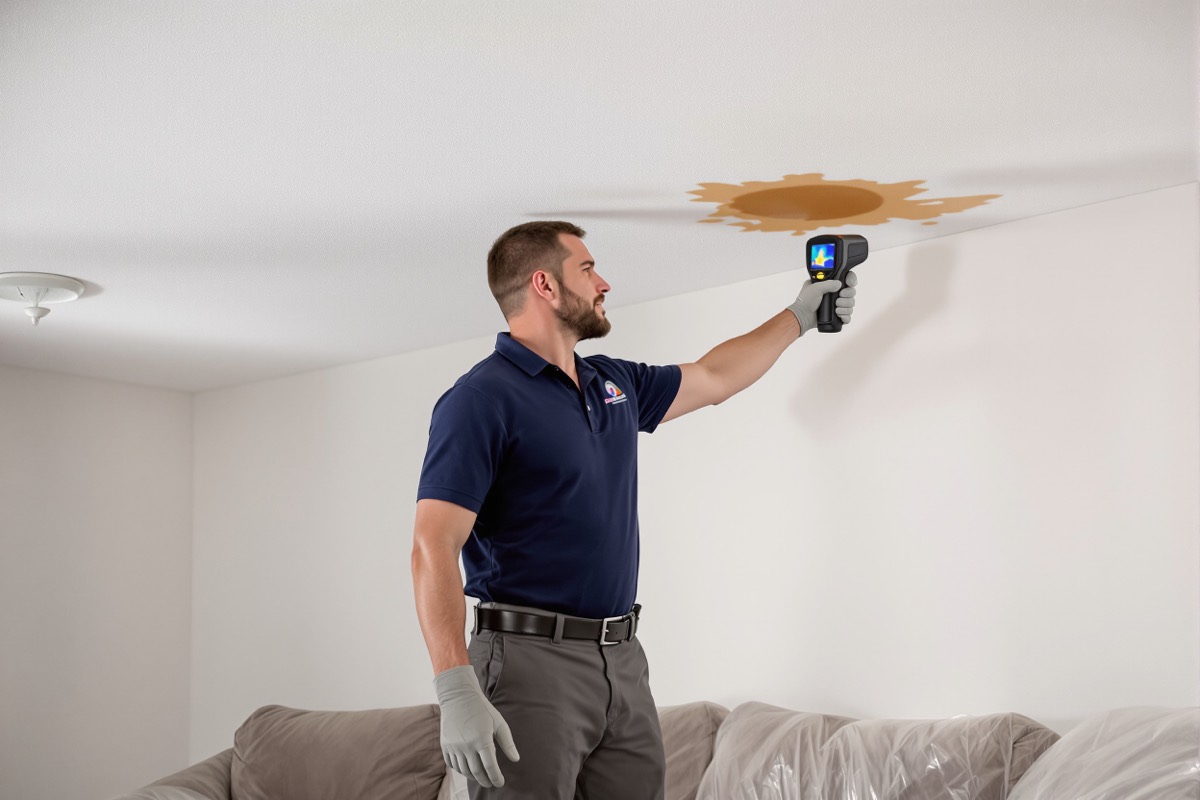
If water sat for several days before anyone found it, or if a slow leak has been going on for weeks behind a wall, mold may already be growing. Signs include a musty smell, discoloration on walls or ceilings, and staining that keeps spreading. The CDC’s mold guidance notes that mold can cause stuffy nose, wheezing and eye or skin irritation in some people, especially those with allergies or asthma.
When we suspect hidden growth, we may recommend mold testing. That involves air and surface sampling, with the samples sent to a lab so you get actual results instead of guesses. If testing confirms a problem, our mold remediation service sets up plastic sheeting containment, runs negative air machines and HEPA air scrubbers, removes affected materials and finishes with post-remediation testing.
Many homeowners never need mold work at all. A leak caught early and dried properly usually ends with the drying. We will tell you plainly whether we see signs that call for testing.
What to do while you wait for the crew
The first hour matters, and there are a few safe things you can do to limit the damage before we arrive. Your safety comes first. If water is near outlets, extension cords or the electrical panel, stay out of the area and wait for help.
- Stop the water. Turn off the main water shutoff, usually found near where the water line enters the basement. For a water heater, close the cold supply valve on top of the tank.
- Cut power to wet areas if you can reach the breaker panel without standing in water.
- Move valuables. Lift photos, documents, electronics and small furniture out of the wet area. Put aluminum foil or wood blocks under furniture legs that must stay.
- Pick up rugs on hardwood floors so they do not trap water against the wood.
- Take photos of the water, the source and anything damaged.
- Skip the household vacuum. A regular vacuum is not built for water and can be an electrical hazard.
If the water came from outside or from a sewer backup, avoid contact as much as possible and keep children and pets away. Floodwater can carry bacteria and other contaminants. Call or text us, and we will tell you what to expect.
Water damage restoration across five New Jersey counties
Our crews cover Essex, Morris, Bergen, Passaic and Hunterdon counties. In Essex, that includes Livingston, Short Hills, Montclair, West Orange, Essex Fells and Roseland. In Morris County we work in Morristown, Chatham, Madison, Florham Park, Mendham and Harding.
Bergen County calls come from Ridgewood, Franklin Lakes, Saddle River, Tenafly, Alpine and Wyckoff. In Passaic County, we serve Wayne, Little Falls, Totowa and Woodland Park. Farther west, our Hunterdon County work covers Tewksbury, Clinton, Lebanon and Readington.
Each area brings its own patterns. Older Essex and Morris homes see a lot of frozen pipes and ice dams. Low-lying parts of Passaic County deal with storm flooding near the rivers. Large Bergen homes often have big finished basements where a sump failure covers a lot of square footage. See the full list on our service areas page, and call if you do not see your town. There is a good chance we cover it.
Commercial properties
We also handle water damage restoration in offices, retail spaces, medical suites and other commercial buildings. The process is the same at its core: extraction, moisture mapping, drying and daily readings. Commercial jobs add their own concerns, like keeping a business open during drying, protecting tenants on other floors and coordinating with property managers. Learn more on our commercial water damage page.
Frequently asked questions
How fast can you get to my house?
Our phone is answered 24/7/365, including nights, weekends and holidays. We send a crew as soon as you call. Exact timing depends on where you are and what else is happening that day, and we will give you an honest update on the phone.
Will my insurance cover water damage restoration?
That depends on your policy and the cause of the water. Sudden events like a burst pipe are treated differently from long-term leaks or outside flooding under many policies. We cannot tell you what is covered, but we provide photos, moisture readings and drying logs you can give to your adjuster.
Do I have to leave my home during drying?
Most families stay home. The equipment is noisy and runs all day and night, so some people sleep in a different room. If contamination is involved, or if the kitchen or only bathroom is out of service, you may decide staying elsewhere for a few days makes more sense.
Can my hardwood floors be saved?
Often, yes, if drying starts quickly. Cupped boards can settle back as the wood dries. We track moisture in the floor every day so you and your adjuster can see whether the boards are recovering. Floors that sat wet for a long time are harder to save.
Do you fix the pipe or the roof that caused the leak?
No. You will need a plumber, roofer or appliance repair company for the source. We handle extraction, drying, documentation, any mold work that follows and the rebuild.
How do I know the house is really dry?
We measure it. On every water damage restoration job, each day we take moisture readings at the same points and compare them to dry reference readings from unaffected areas of your home. The equipment stays until those numbers meet the dry standard, and you get the full log.
Call DryMax now
Water damage gets worse by the hour, and you do not have to sort it out alone. Call Mike and the DryMax team at (973) 992-4400, day or night. We will answer, ask the right questions and send a crew to start drying your home.