
Chatham was settled where an old trail crossed the Passaic River, and water still shapes the borough today. DryMax provides Chatham water damage restoration day and night, with IICRC certified crews who extract the water, dry the structure, handle any mold and rebuild the finished room. We are locally owned since 2018 and serve all of Morris, Essex, Bergen, Passaic and Hunterdon counties.
Before it was Chatham, the settlement was known as John Day’s Bridge, named for a bridge across the river at a shallow landing. That river has never left. Neither have the swamps and marshes that surround the borough on other sides.
Chatham water damage restoration on a river, swamp and marsh edge
Look at the borough’s edges. The Passaic River flows north along the eastern boundary of Chatham. A portion of the Great Swamp extends to the southern boundary. Other marshes surround the community to the north and northwest. That is water on most sides of a town that covers only about 2.4 square miles.
The marshes and brooks in the area carry water draining from the plateau of Morristown and many points to the north and west. In other words, Chatham sits downstream of a lot of land. When heavy rain falls across that wider area, the ground and waterways around the borough have to absorb much of it.
For homeowners, that can mean high groundwater after long storms, sump pumps that run for days, and basements that take on water through the slab or the base of a wall. Homes near the river or close to the marsh edges are the ones most likely to feel it first.
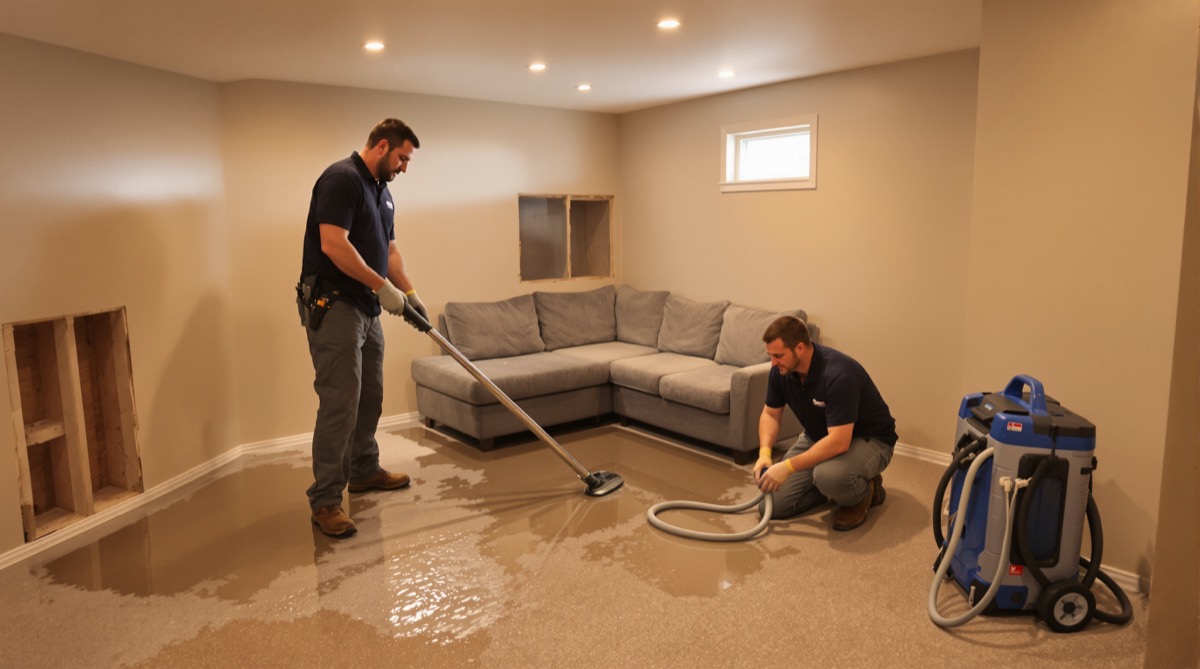
We cannot change the geography, but we can respond quickly when it causes a problem. Our crews arrive with submersible pumps, extractors, air movers and commercial dehumidifiers. We pull out the water, find out how far it traveled, and dry the house back to normal readings.
If you are not sure how close your home is to a mapped flood zone, the FEMA flood map service lets you search your address. It is a useful check for anyone living near the Passaic.
Ground left behind by an Ice Age lake
Here is a detail many residents may not know. The swamps and marshes around Chatham are remnants of a massive lake that covered the area after the Wisconsin glacier retreated at the end of the last Ice Age. The Great Swamp, which the Passaic helps define, is described as a major watershed.
Old lake beds and wetlands tend to hold water. Soil in low areas may drain slowly, and the water table can sit close to the surface during wet seasons. A house built on or near that kind of ground can have a damp lower level even in a year without a major storm.
That is not cause for panic. It is a reason to keep an eye on the basement, test the sump pump before storm season, and act quickly when water shows up. Slow seepage that is ignored for months is a common path to musty smells, warped paneling and mold behind finished walls.
Things to watch in a low-lying basement
- White, chalky deposits on concrete or block walls.
- Carpet that feels cool and slightly damp along the outside walls.
- A sump pump that cycles often even on dry days.
- Paneling or drywall that has started to bow at the bottom.
Up on Long Hill versus down by the river
Chatham is not flat. Fairmount Avenue climbs Long Hill from Main Street to the highest point in town among the Watchung Mountains. From there, you can see the lights of New York past the ridges of Summit and Short Hills.
Elevation changes the kind of water damage a house is likely to see. Homes up the slope are less likely to deal with river-related groundwater, but they can catch fast runoff during a downpour. Water that sheets down a driveway or a sloped yard can collect against a foundation, overwhelm a window well or pour into a walkout door.
Down near the river and marsh edges, the risk shifts toward high groundwater and slow drainage. The water arrives more gradually, but it can stay longer. Either way, the drying approach depends on where the water entered and what it soaked.
Our technicians take this into account on every Chatham water damage restoration job. We do not set equipment by habit. We check the readings, look at the grading outside, and build the plan around the actual path the water took.
Prewar and colonial houses
Chatham was mostly built out well before World War II, and some homes still display construction dates from colonial and revolutionary times. Two colonial houses survive in private hands. Few towns in the region have housing this old across so much of their area.
Older homes are often built with materials that behave differently when wet. Plaster on wood lath, old-growth lumber, stone or early block foundations, and wide wood floors all hold moisture in their own way. Many of these houses have had kitchens, baths and basements updated over the decades, so a single home can have materials from several eras stacked together.
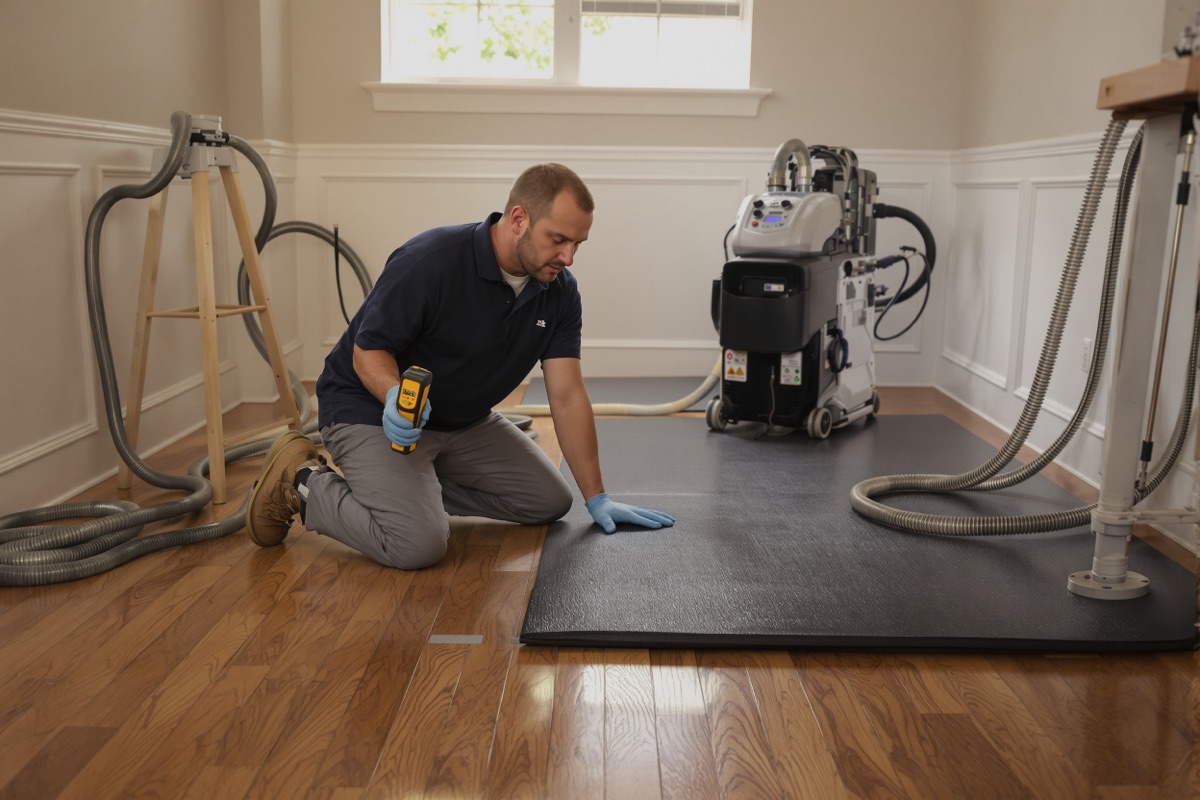
When water gets into a house like that, careful measurement matters more than speed alone. We use pin and pinless moisture meters and thermal imaging to find the wet areas, then choose drying methods that protect original materials where possible. Plaster and trim that can be dried in place are dried in place.
We also understand that some owners care deeply about the character of an older home. If a section of wall or floor must come out, we explain why and work to match what was there during the rebuild.
A typical job, day by day
Every loss is different, but most follow a similar shape. Here is what you can generally expect when you call us.
The first visit
We answer your call any hour and send a crew as soon as you call. On site, the team confirms the source is stopped, protects dry areas, and extracts standing water from floors and carpet. Then they map the moisture through walls, ceilings and floors and set air movers and dehumidifiers. Photos and the first round of readings go into your job file.
The middle days
A technician returns to check readings, adjust equipment and remove any materials that are not drying as they should. Drywall and carpet pad that stay wet are cut out. In older homes, we watch plaster and hardwood closely, since they release moisture slowly. Each check is logged.
The last check
When the readings in affected areas match dry reference areas elsewhere in the house, drying is done. We pull equipment, take final photos and readings, and walk you through the results. Then the rebuild can start. Our water damage restoration page goes into the full service in more detail.
Leaks that start inside the walls
Not every problem in Chatham comes from the river or the marsh. Plenty of calls start with something ordinary: a supply line under a sink, a washing machine hose, a water heater that finally rusts through, or a toilet valve that sticks open overnight. In older homes, plumbing has often been replaced in stages, so new copper or plastic may connect to older lines in the same wall.
Upstairs bathrooms are a frequent source. A failed wax ring or a cracked tub drain can send water into the ceiling below for weeks before a stain appears. Plaster ceilings sometimes hold the water and then sag. If you see a ceiling bulging, stay out from under it and call us.
Winter adds frozen pipes to the list. Lines in exterior walls, unheated porches and crawl spaces can split during a hard freeze and start leaking when they thaw. Shut off the main as soon as you see water, and keep the heat on if you travel during cold months.
Clean water from a supply line gives us the best chance to save materials, as long as drying starts quickly. That is why Chatham water damage restoration calls for inside leaks get the same urgent response as a flooded basement.
Getting a river-edge home ready for a storm
You cannot stop a storm, but you can make a house more ready for one. A few habits go a long way for homes near the Passaic and the marsh edges.
- Test the sump pump by pouring a bucket of water into the pit and watching it cycle.
- Consider a battery backup pump if power outages are common on your street.
- Clear gutters and make sure downspouts carry water well away from the foundation.
- Store valuables, papers and photos off the basement floor in sealed bins.
- Know where your main water shutoff and electrical panel are.
If water does get in, a fast call keeps the damage smaller. Chatham water damage restoration is simpler and less disruptive when we can start before materials have been wet for days. The federal Ready.gov site also has good preparation guidance if you want a longer checklist.
River water, sewer water and what has to go
Water from a burst supply line starts out clean. Water that comes in from outside after a storm, or that backs up through a floor drain, does not. Floodwater from a river or wetland can carry soil, bacteria and debris. Sewer water is clearly contaminated from the start.
When contaminated water is involved, our crew wears protective gear and treats porous materials differently. Carpet and pad, the bottom of drywall, insulation and cardboard boxes that soaked up that water usually have to be removed. Hard surfaces are cleaned and sanitized before drying begins.
Stay out of the affected area if you can, and keep children and pets away. Do not run household fans in a room with sewage, since that can spread contamination. Let our team set up properly first.
We document every material we remove and why, so your adjuster can see a clear record. Whether any part of the loss is covered depends on your policy.
Keeping mold out of a damp-ground town
Mold grows where moisture stays. In a town surrounded by marsh and river, that makes good drying practice even more important. The EPA’s guide to mold and moisture makes the same point: control the moisture and you control the mold.
If we find growth, we build plastic containment around the area and run a negative air machine to keep spores in the work zone. Affected materials are removed, surfaces are HEPA vacuumed and cleaned, and HEPA air scrubbers run while the crew works. We confirm the result with moisture readings, photos and thermal images. Learn more on our mold remediation page.
Because mold comes back when moisture does, we also tell you what we see about the cause. That might be a slow foundation seep, a sump that cannot keep up or a bathroom fan venting into an attic. Fixing that is the long-term answer.

After the drying: repairs and records
Once everything reads dry, we rebuild what was removed. That includes drywall, insulation, flooring, paint, trim and cabinets. One company handles the job from the first call to the finished room, which saves you from coordinating separate crews. See our remodeling page for examples of rebuild work.
Throughout Chatham water damage restoration, we keep a job file with photos, moisture readings and drying logs. That file is yours to share with your insurance adjuster. We do not tell you what your policy covers, because that depends on the policy itself. We do make sure the adjuster has a clear, dated record to review.
Main Street shops and offices
Chatham is a walkable community with a central business district and railroad station within about a mile of its farthest boundary. The borough has been a commuter stop on the Morris and Essex Lines since early railroad days.
Shops and offices in older downtown buildings face leaks from upstairs units, roof drains and basement storage. We handle commercial water damage with containment, careful scheduling and documentation that suits owners and property managers.
Madison, Florham Park and Short Hills
Chatham’s neighbors are Summit to the southeast, Millburn and its Short Hills neighborhood to the northeast, Chatham Township to the west, and Madison and Florham Park to the north. We cover all of them.
We offer water damage restoration in Madison, flood and leak cleanup in Florham Park and water damage repair in Short Hills. For the full list, visit our service areas page, or read about our company on the about page.
Frequently asked questions about Chatham water damage restoration
My home is near the Passaic River. Why does my basement stay damp?
Ground near the river and the marshes around Chatham can hold a lot of water, especially after long rain. That moisture can push through a foundation over time. We extract, dry and show you readings so you can see where it is coming from.
Can you dry a house that is more than a century old without tearing it apart?
Often we can. Meters and thermal cameras show exactly where the water went, so we only remove what will not dry or poses a mold concern. Original plaster, trim and wood floors are dried in place when the readings allow it.
How soon will a crew come for Chatham water damage restoration?
We answer 24/7/365 and send a crew as soon as you call. They stop the source, remove water and start drying on the first visit.
What if the water came from outside during a storm?
Storm and floodwater is treated as contaminated. Our crew wears protective gear, removes porous materials that soaked it up, cleans and sanitizes hard surfaces and then dries the space.
Do you work in Chatham Township too?
Yes. Chatham Township borders the borough to the west, and it is part of our Morris County service area.
Will my insurance cover the damage?
That depends on your policy and what caused the loss. We document the job thoroughly with photos, moisture readings and drying logs so your adjuster can make the decision.
One phone call starts it
Water near the river, a pump that quit, or a stain spreading across an old plaster ceiling all deserve a fast response. Call (973) 992-4400 at any hour, and a real person will answer and get a crew moving toward your home.