
Caldwell packs a lot of homes, shops and people into a very small borough, and that changes how a leak plays out. Water from one unit can reach the next, a basement shared by tenants can affect several households, and a downtown storefront can lose days of business. Caldwell water damage restoration from DryMax covers the whole job: extraction, structural drying, mold work if it is needed, and the rebuild that puts the room back. We are IICRC certified and pick up the phone around the clock at (973) 992-4400.
The first hour after you find water
Panic is normal. A few quick steps make a real difference before our crew arrives, and none of them require tools.
- Find the shutoff. For a burst line, close the valve under the fixture or the main valve where the water service enters the house. For a water heater, close the cold inlet on top.
- Stay clear of electricity. If water is near outlets, a panel or extension cords, do not wade in. Shut breakers only if you can reach the panel from a dry spot.
- Tell the people next to you. In attached homes and multi-unit buildings, a neighbor below may already have water coming through their ceiling.
- Take a few phone photos. They help later, even though we document everything ourselves.
- Lift what you can. Rugs, boxes and electronics off the floor. Pull furniture away from wet walls.
- Skip the shop vac marathon. A household vacuum will not reach water under flooring and inside walls, and wet carpet is heavy enough to hurt your back.
Then call us. Day or night a crew is dispatched right away, and we talk you through anything else that needs doing while they are on the way.
Caldwell water damage restoration in a one-square-mile borough
The borough covers only about 1.18 square miles, yet it holds roughly 3,500 homes and apartments, about three thousand to the square mile. That is a tight town by North Jersey standards. When the borough was split off from the old Caldwell Township in the early 1900s, what was left was essentially the original downtown Horseneck development.
Density shapes the work. Driveways are short and houses sit close together, so we plan where the truck goes and how hoses run before we start. Equipment noise matters more when a neighbor’s bedroom window is twenty feet away. We keep setups tidy and explain to the people next door what the air movers are doing if they ask.
It also shapes the risk. Roof runoff from one house can end up against the foundation of the next when lots are narrow and gutters discharge near the property line. Shared driveways slope toward garages. Small yards leave little room for water to spread out and soak in. When we look for the cause of a basement leak here, we look at the neighboring grading too.
Close neighbors, shared walls, shared leaks
Two-family houses, townhomes, condos and apartments all mean shared plumbing and shared structure. A toilet supply line that fails on the second floor does not stay on the second floor. It runs down through the ceiling of the unit below, into their light fixtures and down the walls. If there is a basement, it may end up there too.
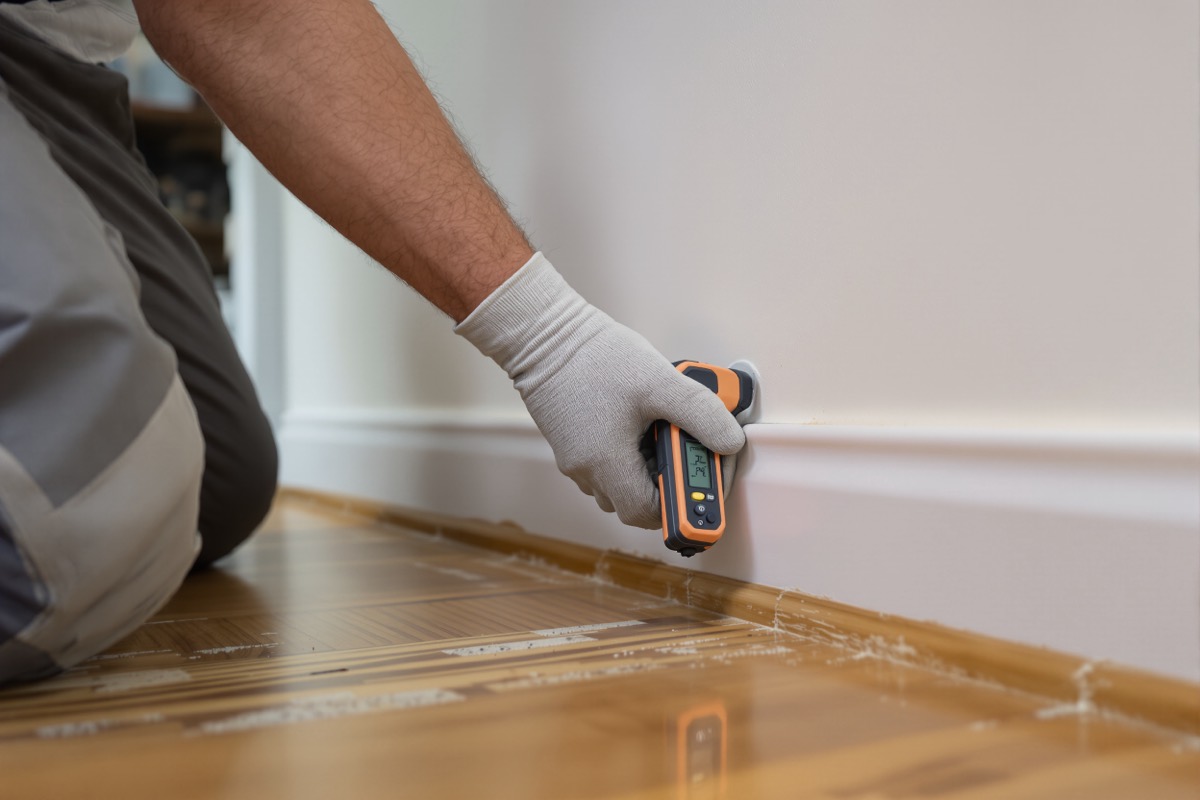
On these jobs we map every affected space, not just the unit that called. Thermal imaging cameras show cooler, wet areas in ceilings and walls on each floor, and moisture meters confirm what the camera sees. That gives the owners, the association or the landlord a clear picture of where the water went and which unit it came from.
Small kitchens and stacked laundry closets are frequent culprits in these buildings. A dishwasher drain that slips off, an ice maker line that cracks behind the refrigerator, or a washer box inside a wall can leak slowly for weeks. By the time a stain shows below, the subfloor and the cabinet bases above may be soaked. We pull toe kicks and check inside cabinets so nothing wet gets closed back up.
We also keep the records separated by unit. Photos, readings and drying logs for each space make it easier when two households have two different insurance carriers. Coverage depends on each policy, so the adjusters make those calls. Our part is giving them clean facts. That kind of careful record is a big part of Caldwell water damage restoration in shared buildings.
Older houses near the original downtown
Caldwell has deep roots. George Washington stopped at a stone house here during the Revolution, Grover Cleveland was born here in 1837, and the public library, opened in 1908, is one of the remaining Carnegie libraries in New Jersey. Many homes around the center of town are older than the suburbs that grew up later around them.
Older houses often have features that change how we dry them. Plaster walls on wood lath hold water longer than modern drywall and can crack or loosen when soaked. Stone and early block foundations let groundwater seep through mortar joints. Original wide-plank or oak floors cup when moisture gets under them. Basements may have low ceilings and tight crawl areas that are hard to reach.
With these homes we lean toward drying in place wherever the readings say it will work. Plaster can sometimes be dried with careful airflow and dehumidification instead of being torn out. When something does have to come out, we remove only what is truly damaged and say why before we cut. The rebuild crew then matches the existing materials as closely as possible.
Storefronts and buildings on Bloomfield Avenue
Downtown Caldwell runs along Bloomfield Avenue, with older commercial buildings, including the Hasler Building, long known as the borough’s first brick building. Mixed blocks like this have their own water risks: roof drains clogged with leaves, rooftop equipment that leaks into drop ceilings, aging supply lines in back rooms, and floor drains that back up after a downpour.
For a business owner, the first question is usually how fast the doors can open again. For storefronts, our commercial water damage service can phase the work, dry overnight, and stage equipment so the front of a shop stays presentable while the back dries. We keep a running log so you and your landlord know where things stand each day. Commercial Caldwell water damage restoration often happens after closing time, so the next morning is as close to normal as we can make it.
Restaurants, salons and medical offices have extra concerns about clean water versus contaminated water. A backup from a floor drain is treated as contaminated, with protective gear, removal of porous materials it touched, and cleaning before drying. We explain the difference so you can make decisions quickly.
Rentals, landlords and the college calendar
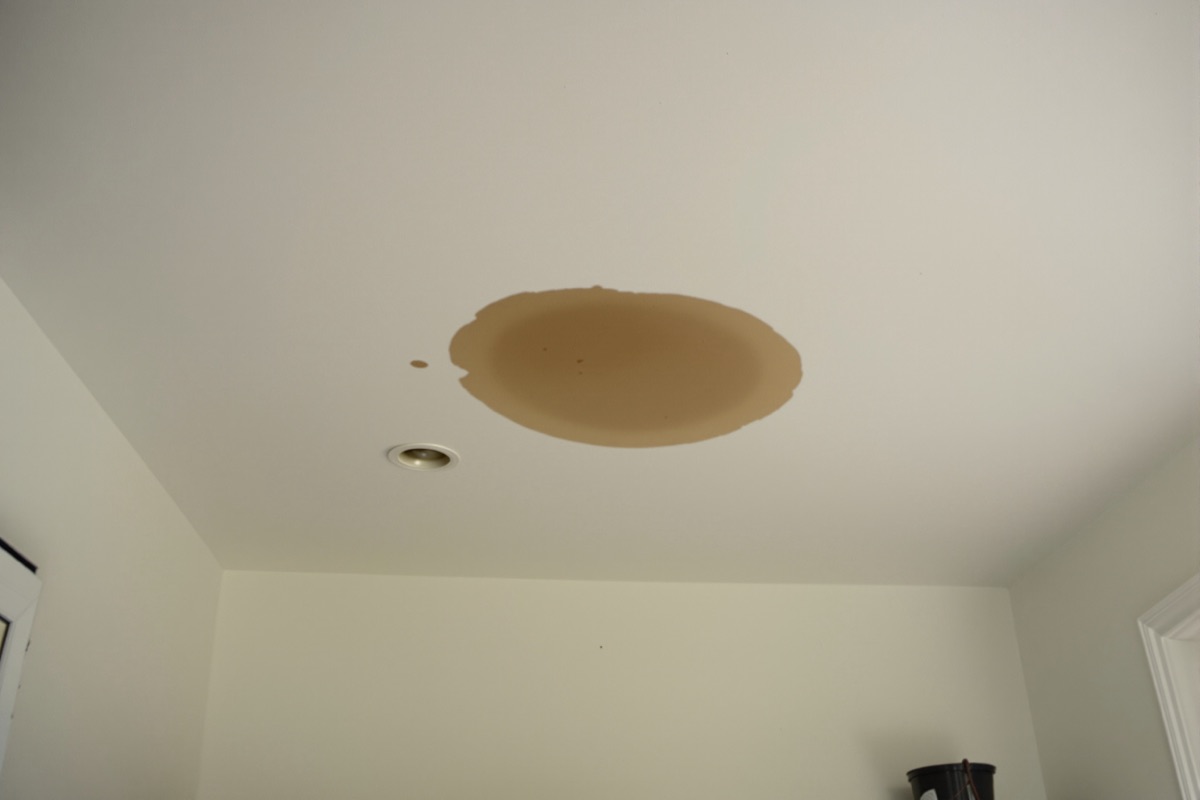
The borough is home to Caldwell University, a liberal arts college with about 2,200 students. In a college town, some houses and apartments turn over tenants regularly, and units can sit empty over breaks. An empty unit is exactly where a small leak can run unnoticed for days.
If you own a rental, a few habits help. Leave the heat on a safe setting during winter breaks so pipes in outside walls do not freeze. Ask tenants to report drips and stains early, before they grow. Check under sinks and around water heaters between leases. When something does go wrong, we can coordinate access with tenants and keep the owner updated by phone.
Tenants calling about water in their apartment should let the landlord know right away, too. Many leases put repairs on the owner, and the owner’s insurance carrier will want the records we produce.
Wet ground and heavy rain in the Caldwells
History offers a clue about the land around here. The western part of the old borough, the area that later became West Caldwell, once held farms and a large stretch of undeveloped swampland known as Hatfield Swamp. The whole Horseneck Tract once ran from the First Mountain to the Passaic River at Pine Brook. Ground that was once wetland, or that drains toward it, tends to stay wetter after big storms.
For homeowners, that means basement water is not always a plumbing problem. During long, soaking rains the soil around a foundation can fill up, and water finds its way through cracks, the joint where the wall meets the floor, and old window wells. A sump pump that runs constantly during a storm is a sign the ground is saturated.
When we handle Caldwell water damage restoration after a storm, we check the outside as well as the inside. Gutters that overflow, downspouts that dump next to the house and patios that pitch back toward the foundation all send more water where you do not want it. We point those out so you can fix them once the drying is done. The Ready.gov flood page has good steps for getting a household ready before the next big storm.
Battery backup pumps, a check valve on the discharge line and a high-water alarm are simple upgrades that buy time. None of them replaces drying once water is in, but they can turn a flooded finished room into a damp corner.
Where the water came from changes the plan
Every loss is different, and the source tells us a lot about what to expect. Here is a quick look at the common ones we see in tight, older neighborhoods.
| Source | What we check first |
|---|---|
| Burst or frozen pipe | Wall cavities on outside walls, ceilings below, insulation |
| Washer or dishwasher hose | Subfloor, cabinets, the ceiling under the appliance |
| Water heater failure | Slab, bottom plates of nearby walls, stored items |
| Sump pump failure | Finished walls, carpet pad, framing at the base of the wall |
| Sewer backup | Contamination, porous materials it touched, cleaning before drying |
| Storm water at the foundation | Grading, gutters, seepage through walls and the floor joint |
Clean supply-line water often needs little demolition when drying starts early. Gray water from appliances and black water from sewer lines need more removal and cleaning. In every case, the drying itself uses the same core tools: extractors to pull out standing water, air movers to push air across wet surfaces, and commercial dehumidifiers to take moisture out of the air.
We return every day to take readings and adjust equipment. Drying ends when each wet material matches a dry spot elsewhere in the same house. Then we move to rebuild.
Keeping mold out of the picture
Moisture left in walls and floors for more than a day or two can lead to mold growth. The EPA’s brief guide to mold and moisture is a good plain-language read on why speed matters.
If we do find mold, our mold remediation crew hangs plastic to close off the room, sets negative air so nothing escapes, and runs HEPA scrubbers while the moldy material is cut out. Surfaces left behind are HEPA vacuumed and cleaned, then dried. Before and after photos, thermal shots and readings go into your file.
Basements with past seepage, closets on exterior walls and bathrooms without good exhaust fans are the most common spots for hidden growth in older homes. A persistent musty smell is worth having checked.

Caldwell water damage restoration through the rebuild
Drying is only half the job. After the walls and floors read dry, the room still needs to be put back. Our remodeling crews put up new board and insulation, lay new flooring, paint, and reinstall trim and cabinets. That way the same team that saw the damage also finishes the repair, and nothing gets lost in a hand-off.
For older Caldwell homes, the rebuild often means matching what was there: trim profiles, plank widths, the texture of an old wall. We take note of those details during demolition so the finished room fits the rest of the house.
Your records follow you all the way through. The picture set, readings and daily logs from the first visit sit alongside the rebuild scope so your adjuster can see the full story. With Caldwell water damage restoration from DryMax, you work with a single company until the last piece of trim is up.
Nearby towns we also serve
The Caldwells and their neighbors share a lot of the same housing and the same weather. We also provide drying and cleanup in West Caldwell, water damage restoration in Essex Fells and flooded basement help in North Caldwell. Every town we cover is on our service areas page, and our full list of water damage restoration services explains each step in more detail.
Frequently asked questions from Caldwell homeowners
Water from the unit above came through my ceiling. Who do I call first?
Call us so the drying can start, then let the building owner or association and your upstairs neighbor know. We document every affected unit separately, which helps when more than one insurance carrier is involved.
Can plaster walls in an older Caldwell house be dried without tearing them out?
Sometimes. If the plaster is still bonded to the lath and the water was clean, careful drying can save it. We test with moisture meters and check how firm the wall is before deciding. Anything loose or contaminated comes out.
Our shop on Bloomfield Avenue had a backup from a floor drain. Can we stay open?
It depends on where the water went. Sewage is treated as contaminated, so that area must be closed off and cleaned. We can often contain the work and set up drying so other parts of the business stay usable.
I own a rental near the university and the unit was empty over break. What now?
Call us and we will meet you or arrange access. A leak that ran for days usually means wet framing and insulation, so expect some removal. We keep you updated by phone and provide records for your insurer.
How long does drying take in a small house?
Most drying runs a few days. Plaster, hardwood and stone take longer than drywall and carpet. We check readings daily and pull equipment once materials read dry.
Do you do the repairs too?
Yes. After drying and any mold work, our crews rebuild drywall, insulation, flooring, paint, trim and cabinets.
Ready when you call
DryMax has been a locally owned company since 2018, covering the Caldwells and five counties of North Jersey. Nights, weekends and holidays, call (973) 992-4400 and we will get a crew moving. Learn more about our team any time.